
The Rare Disease Diagnostic Journey: Why Answers Can Take Years
Many families begin their rare disease journey long before receiving a diagnosis. Here is why answers take so long, what causes delays, and how to prepare for the process.
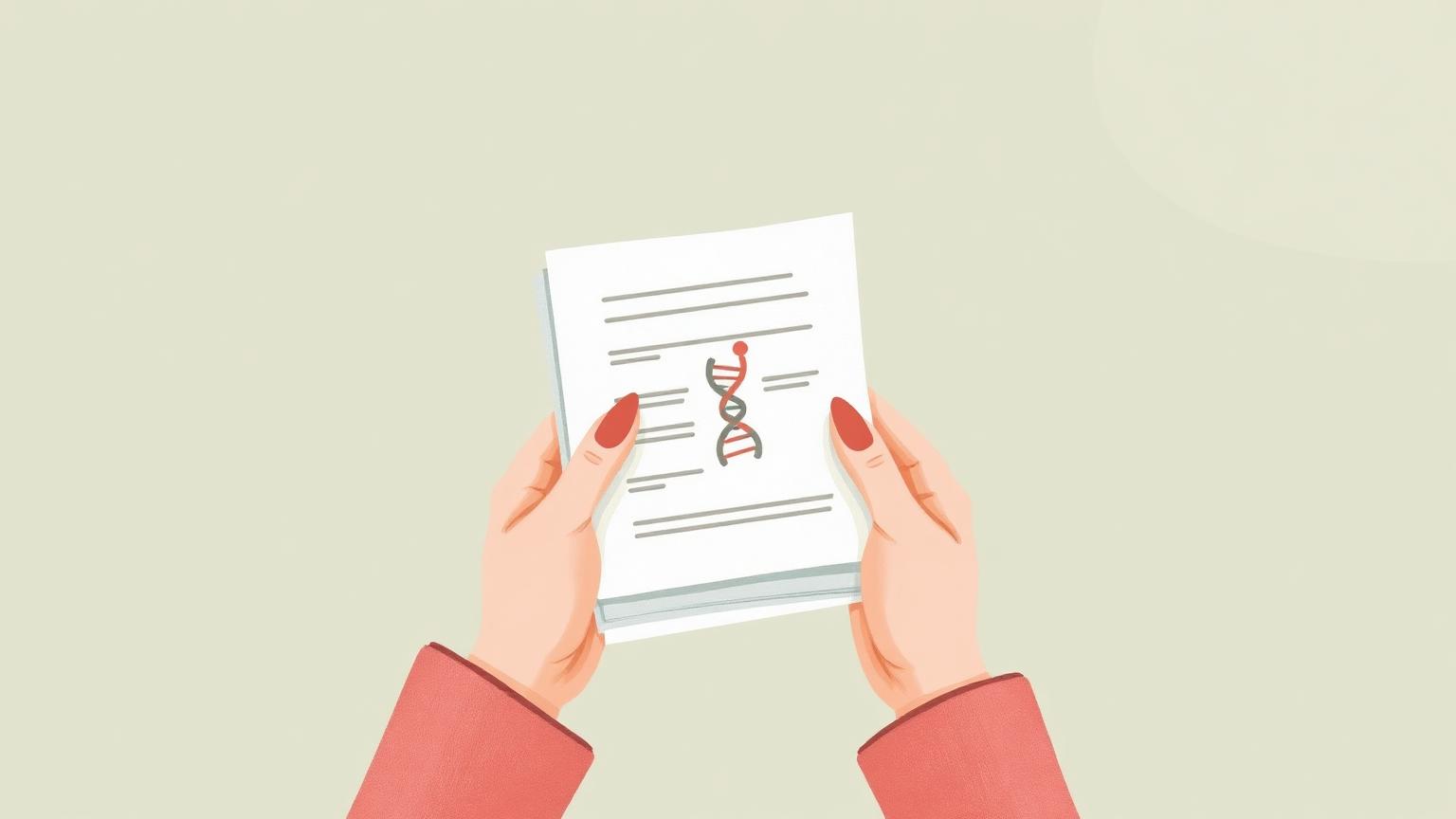
The diagnostic odyssey
On average, families navigating a rare disease wait 5 to 7 years before receiving an accurate diagnosis. They see multiple specialists, repeat the same intake forms, and carry medical records from city to city. This long stretch of uncertainty is often called the diagnostic odyssey.
The odyssey is not a personal failure or a sign of inattentive providers. It is a structural reality of medicine: there are more than 7,000 known rare diseases, and most clinicians will only encounter a handful in an entire career.
Why symptoms are often misdiagnosed
Rare diseases frequently mimic common conditions. Fatigue, joint pain, developmental delays, and gastrointestinal issues can each point in many directions before pointing toward something rare.
Symptoms also evolve. A child's presentation at age 2 may look nothing like their presentation at age 6. That is one of the most important reasons to keep a careful, dated record of every change.
The role of genetics
Roughly 80% of rare diseases have a genetic component. Whole exome and whole genome sequencing have dramatically shortened the path to diagnosis for many families, but interpretation is still an evolving field. A variant labeled uncertain today may be reclassified in a year.
Keeping organized medical records
Bring a single source of truth to every appointment: a current medication list, recent labs, imaging, surgical history, and a short narrative of how things have changed. Specialists who can see the whole picture in one place make connections faster.
When to seek second opinions
Trust your instinct. If a diagnosis does not explain everything you are observing, or if treatment is not helping, a second opinion is reasonable and welcomed by good clinicians. Academic medical centers and rare disease centers of excellence are often the best next step.
Finding support communities
Other families are often the fastest way to learn what to ask, where to go, and how to advocate. Disease-specific foundations, patient advocacy organizations, and gentle online communities can carry you through the years it sometimes takes to get answers.
Use these Forgotten Rare tools
About the author
Forgotten Rare Team writes alongside caregivers, clinicians, and rare disease families. Our articles are reviewed for clarity and warmth, never for noise.